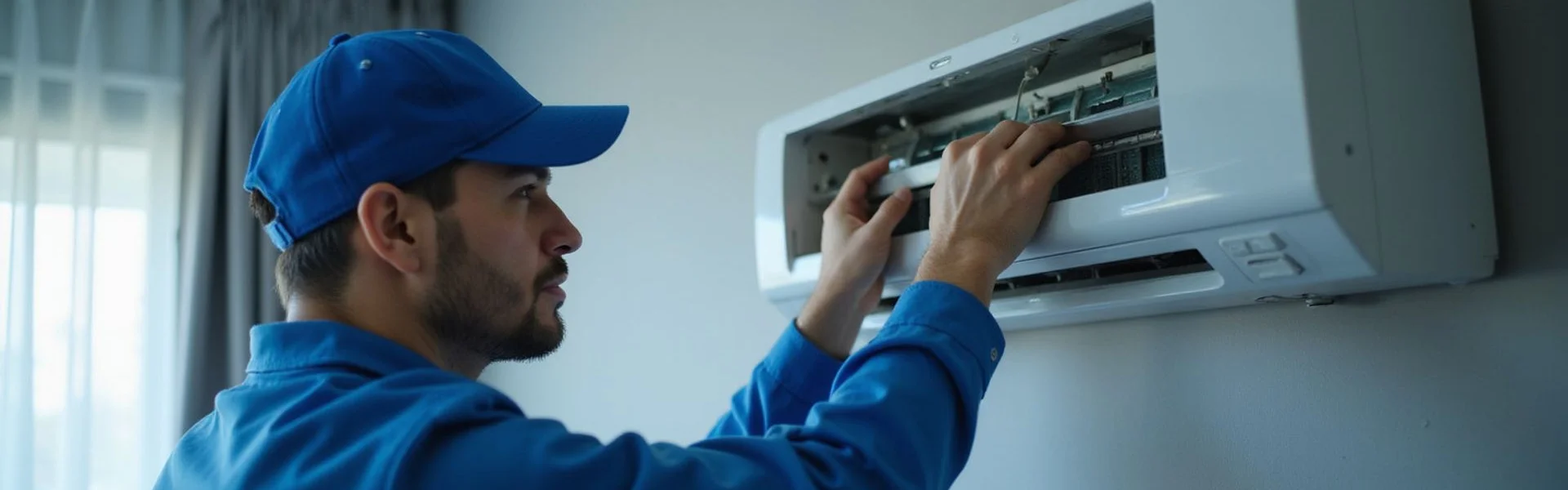
Aircond Tripping the Power or Not Turning On? What to Check
Aircond tripping the breaker or won't switch on? Causes include a faulty capacitor, compressor short, or wiring. Here's what to check and when to call.
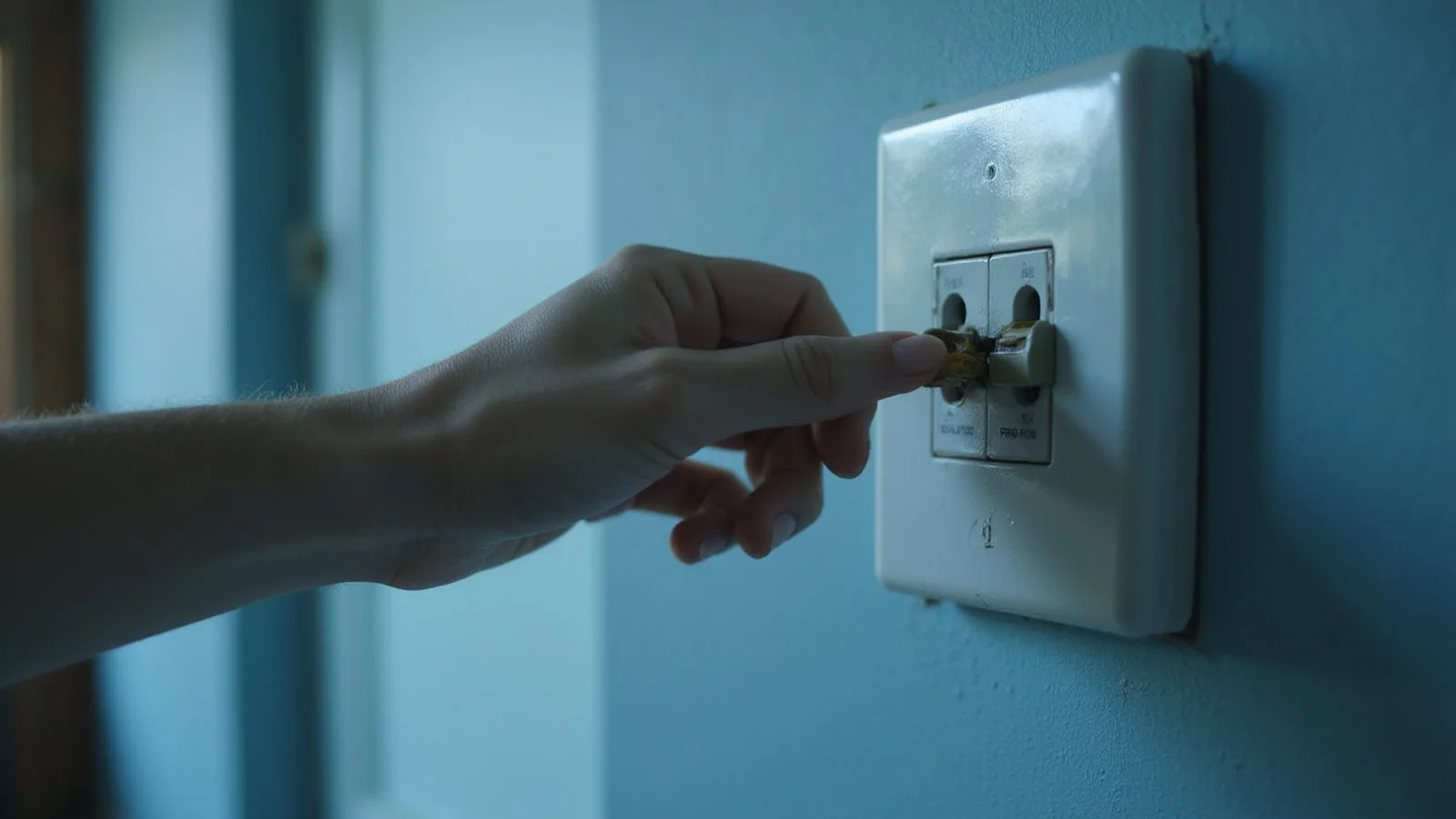
We notice that an aircond tripping power not turning on is often the sound of your electrical panel saving your compressor. That sudden power cut actively protects your expensive wiring from melting under excessive current.
Our technicians find that ignoring this warning usually turns a minor repair into a complete unit replacement.
The root cause typically traces back to a few specific components failing under the Malaysian heat. We will explore the exact data behind these common electrical faults. Let’s break down the safe checks you can perform before calling for help.
Why breakers trip on an aircond
Our readings show a breaker trips the moment an appliance draws more amps than its safe limit. An air conditioner pulling too much current usually points to a few specific hardware failures.
Failing capacitor
We see failing capacitors as the most frequent culprit behind a tripped breaker. The capacitor stores and releases a massive jolt of energy to start your compressor.
Our replacement logs show that standard CBB65 capacitors typically last only 3 to 5 years in the constant heat of Kuala Lumpur. This heavy thermal load causes the internal oil to expand and eventually fail.
We consider this a lucky break because a new capacitor costs between RM80 and RM200 to swap out. The repair is incredibly cheap compared to the alternative.
Shorted compressor windings
Our teams dread finding shorted internal windings inside an outdoor unit. A short means the compressor draws far more electrical current than normal during operation.
We frequently see this cause an instant power trip the second the system boots up. A permanent short requires a major overhaul or a brand new compressor.
Our traditional split unit compressor replacements generally start at RM500 locally. Replacing the entire outdoor unit often makes more financial sense for systems over eight years old.
Damaged wiring
We find that pests and weather cause severe wiring damage across Malaysia. Heavy tropical rain easily penetrates older, degraded rubber insulation on outdoor units.
Our field inspections frequently reveal geckos frying printed circuit boards (PCBs) after seeking shelter inside the electrical box. This pest intrusion creates a direct short circuit that immediately trips your main panel.
We always seal entry points with silicone after repairing these specific wire faults.
Wrong breaker size
Constant tripping demands a quick check of the main distribution board to confirm the correct breaker size. Our local standard dictates specific ratings based on the cooling capacity of the unit.
An undersized breaker will trip during normal operation on exceptionally hot afternoons. We cross-reference the manufacturer’s installation manual against your existing hardware using these standard Malaysian benchmarks:
| Air Conditioner Size | Recommended Breaker Size | Typical Wiring |
|---|---|---|
| 1.0 HP | 10A - 16A | 1.5mm² Copper |
| 1.5 HP | 16A - 20A | 2.5mm² Copper |
| 2.0 HP & Above | 20A | 2.5mm² - 4.0mm² Copper |
A mismatch here guarantees continuous power interruptions.
Overloaded shared circuit
Our electricians strongly advise against sharing an air conditioner circuit with other appliances. A combined load easily overwhelms the breaker rating when multiple devices activate simultaneously.
We commonly see trips happen when someone turns on a high-draw water heater or electric kettle on the same line. Dedicated wiring for every single cooling unit prevents these frustrating power drops.
Our installation protocols strictly separate heavy loads to maintain household stability.
Why the unit might not turn on
A completely dead unit requires a totally different troubleshooting approach. We classify this as a power flow break before the electricity reaches the main motor.
An aircond won’t respond at all when these specific failures occur.
Remote control issue
Our first step is always ruling out the simplest possible explanation. Flat batteries or a jammed button will make a perfectly good unit seem dead.
We recommend pressing the manual override button hidden under the indoor unit’s front plastic cover. Popular brands like Daikin and Panasonic place this small switch near the right-side filter slot.
Our team saves many clients a service fee just by guiding them to this button.
Wall switch off
A quick visual inspection of the dedicated wall switch resolves many phantom faults. We notice that some local contractors install this isolator switch to cut power completely during maintenance.
Clients often accidentally flip this switch while cleaning the walls or adjusting curtains. Our technicians always check that the neon indicator light glows red to verify incoming electricity.
Breaker tripped
The breaker may have flipped hours ago while you were out of the room. We frequently find a tripped aircond breaker trip switch sitting quietly in the middle position.
A firm push down and then back up restores the connection. Our advice is to test the unit immediately after resetting the panel.
Indoor PCB fault
Modern printed circuit boards act as the brain of your entire cooling system. We know a fried board receives electricity but refuses to send commands to the compressor.
Voltage spikes from heavy thunderstorms frequently damage these sensitive components across Kuala Lumpur. Our supply records show that replacement parts for a modern inverter PCB often exceed RM250.
An incoming voltage test confirms if the board is the true point of failure.
Sensor fault
We use temperature probes to verify if the indoor thermistor reads the room accurately. A faulty sensor tells the computer that your bedroom is already freezing cold.
Our diagnostic charts prove this prevents the compressor from kicking on to supply more refrigerant. A simple resistance test quickly exposes a broken temperature probe.
We carry standard 10k and 15k ohm sensors to swap these out on the spot.
Safe owner checks
Basic safety checks often reveal an easy fix you can handle yourself. Our customer service desk encourages you to perform this quick inspection before booking a visit.
- Check the remote and override. Replace the batteries and test the manual power button on the indoor casing.
- Confirm the wall switch is on. Verify the red indicator light is glowing brightly.
- Inspect the breaker panel. Reset the switch firmly once.
- Examine the outdoor unit. Look for physical damage, chewed wires, or obvious signs of pest intrusion.
- Look for water ingress. Check if heavy rain flooded the exterior electrical box.
- Isolate the circuit. Ensure no high-draw appliances are sharing the same power line.
Stop testing immediately if the breaker trips a second time. We emphasize that pushing the system further will cause severe electrical damage.
When to call a technician immediately
Specific electrical warning signs qualify as absolute emergencies. Our safety protocol requires you to isolate the unit entirely under these conditions.
Do not attempt to reset the system if you observe any of the following hazards:
- You smell the sharp, chemical odour of burning rubber insulation.
- You see actual smoke or sparks jumping from the casing.
- The breaker trips instantly upon resetting, signaling a massive short circuit.
- You spot exposed copper wiring chewed by rodents or geckos.
- You find standing water inside the main electrical enclosure.
We strongly recommend leaving the main breaker off to prevent a catastrophic fire. An immediate call to a certified professional is the only safe response to these volatile situations.
How a technician diagnoses
Our diagnostic routine eliminates guesswork by systematically testing every electrical pathway. A strict testing protocol helps locate the exact point of failure safely.
- Visual inspection: Technicians check indoor and outdoor wiring for loose connections and pest damage.
- Insulation resistance test: A specialized Megger meter detects hidden shorts inside the compressor motor.
- Capacitor test: Multimeters measure the microfarads to confirm capacitance drops.
- Compressor amperage: Clamp meters monitor power spikes on the active wires during a controlled startup.
- PCB voltage checks: Diagnostic tools track the exact voltage reaching the board to rule out supply issues.
We use this comprehensive testing to reveal whether you need a RM150 capacitor swap or a major compressor overhaul. Hard data allows us to explain the exact problem and provide a firm quote before starting any repairs.
Our business prioritizes transparency over sudden billing surprises.
Don’t keep resetting
Every forced reset pumps massive amounts of heat into damaged copper wiring. We strongly warn against repeatedly flipping a stubborn breaker back to the active position.
An aircond tripping power not turning on is a cry for help, rather than a temporary glitch. Our experience shows that this exact habit destroys otherwise healthy components. A cheap, hundred-ringgit capacitor replacement rapidly turns into a catastrophic compressor failure.
We see homeowners double their repair bills simply by forcing the unit to run.
Same-day visits prevent minor issues from escalating into major property hazards. Our aircond repair team handles these critical electrical faults daily across the Klang Valley. Fast intervention gets your cooling system back online safely and efficiently.
We invite you to WhatsApp +60 14-302 9055 with your symptoms so a technician can schedule an immediate inspection.
Need this service done?
See our Aircond Repair & Diagnostics →