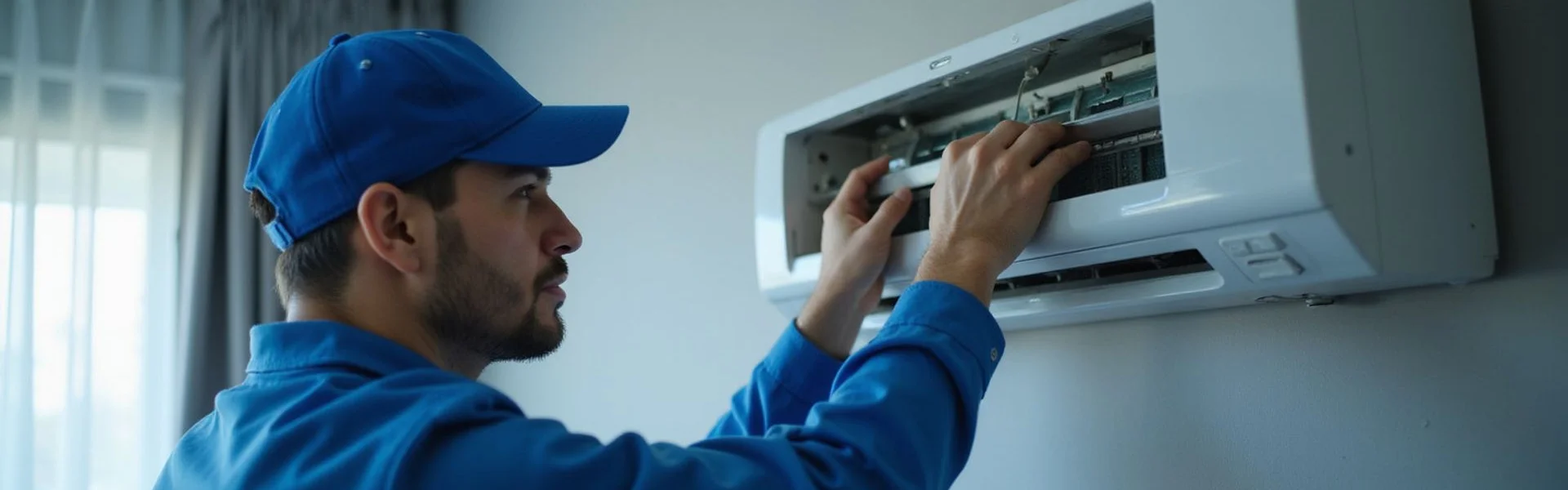
Where Should You Mount Your Aircond? A Placement Guide for KL Homes
Where should you mount your aircond? Our placement guide for KL homes covers airflow, condenser ventilation, condo constraints, and drainage gradient.
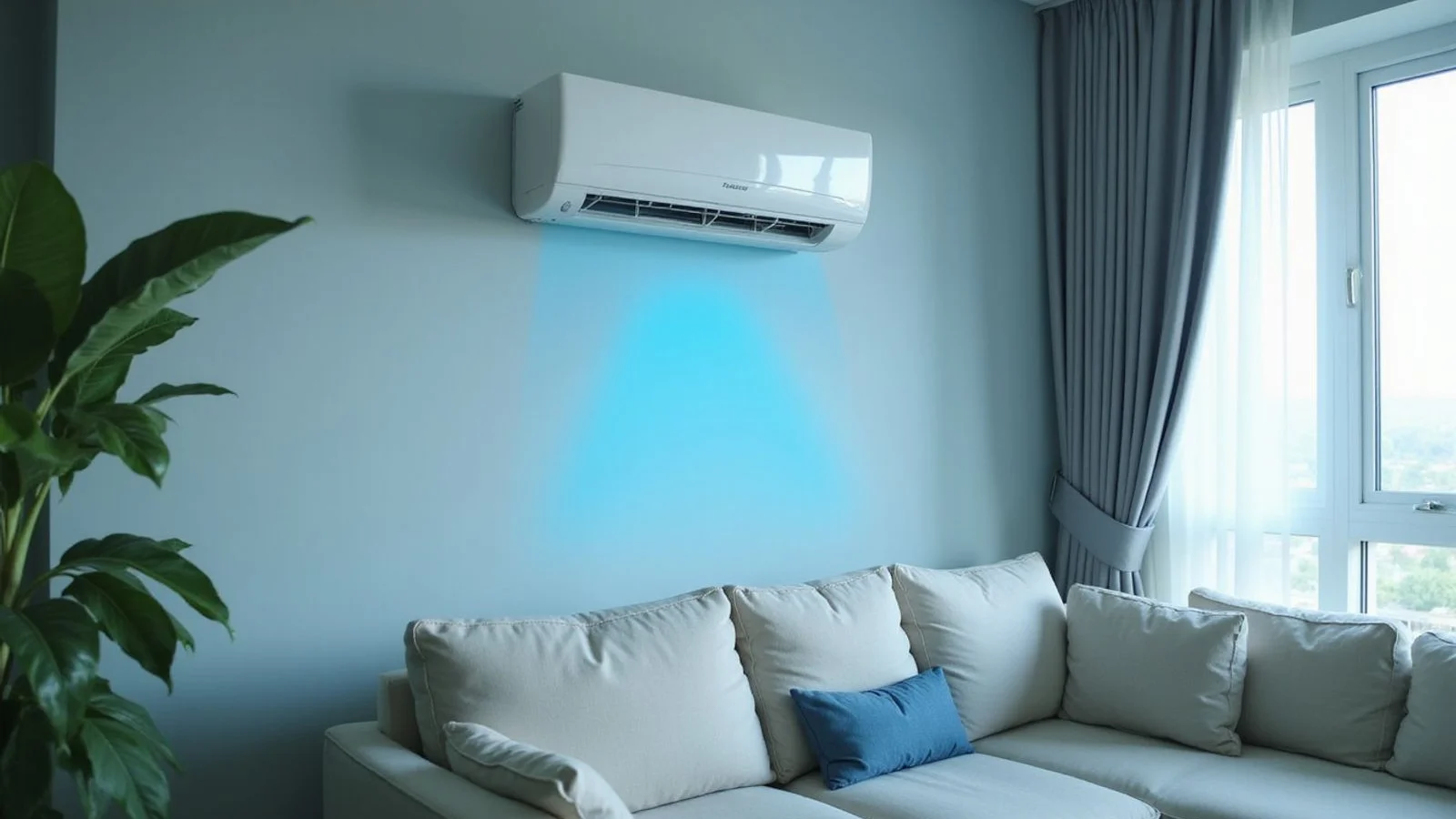
We notice that aircond placement is the most underestimated factor in a home cooling setup. The exact mounting spot dictates cooling efficiency, maintenance access, and long-term running costs. Our team consistently sees poor placement causing cold spots, weak cooling, and recurring water leaks.
Getting this right means a unit cools the whole room evenly without overworking the compressor. We will break down the core principles for proper placement in Kuala Lumpur homes and share a few practical fixes.
Read on to review the best practices room by room.
Indoor unit placement principles
We know that the indoor split unit handles three vital tasks for your room. It pulls in warm room air, cools it across the evaporator coil, and pushes cool air back out. Placement directly affects all three of these functions.
Height
Our technicians recommend mounting the unit high on the wall, typically 200mm to 300mm below the ceiling. Cool air falls naturally while warm air rises. A high mount ensures cool air spreads down through the room evenly.
We find that a low mount creates cold spots at the floor and leaves warm air at head height. This forces the unit to work harder to achieve the 24°C ideal temperature recommended by Tenaga Nasional Berhad (TNB).
Direction
Our installations always aim to blow cool air across the room rather than directly at people. A direct draft causes significant discomfort and dries out your skin. The aircond should create a comfortable ambient temperature instead of an icy blast.
We direct the airflow at the foot of the bed or across the seating area in a living room. This creates a gentle circulation pattern.
Clearance
Our rule of thumb is to strictly follow the manufacturer minimum clearances around the unit. Brands like Panasonic and Daikin require specific breathing room to function.
- Top clearance: Minimum 100mm space above the indoor unit.
- Bottom clearance: Minimum 600mm space below the unit.
- Side clearance: Minimum 50mm on the left and right edges.
We see restricted units suffer from compressor strain and higher electricity usage. Proper breathing room prevents the system from suffocating.
Avoid heat sources
Our advice is to never mount an aircond over a hot appliance like a television, computer, or refrigerator vent. The heat rising from these devices confuses the internal thermostat sensor. This false reading causes the unit to over-cool other parts of the room.
We often fix issues where a misplaced unit wastes energy simply because it sits above a hot lamp. Keep the area below the aircond completely clear of electronics.
Sun exposure
We try to avoid walls that receive direct afternoon sun. The intense Malaysian heat radiates through the wall into the back of the indoor unit. Internal walls provide a much cooler and more efficient mounting location.
Our experience shows that units on sun-facing walls consume up to 10% more power to maintain the same room temperature. Choose a shaded interior wall whenever possible.
Bedroom-specific placement
We spend a third of our lives in the bedroom, making quiet and comfortable cooling essential. Proper placement prevents the dreaded morning sore throat caused by direct cold drafts. The goal is even temperature distribution across the entire sleeping area.
Our standard practice for Kuala Lumpur bedrooms focuses on creating a gentle convection current.
- Mount on the wall facing the foot of the bed or perpendicular to it.
- Aim the cool air over the bed rather than down at the pillows.
- Avoid the wall directly behind the bed because the blower motor is loud at close range.
- Avoid placing the unit above the bed entirely to prevent dripping water hazards.
We find this setup delivers a stable 24°C to 25°C sleeping environment without blowing cold air on your face. This placement strategy works perfectly with modern inverter units operating on sleep mode.
Living room placement
We approach living rooms differently because these spaces often connect to open-plan dining areas. A standard 1.0HP unit easily cools a 120 square foot bedroom but will struggle in a larger living space. Proper sizing and positioning must work together here.
Our teams look for a central wall that lets the unit cover the main seating zone.
- Mount on a central wall to reach both the sofa and the dining area.
- Avoid mounting in a corner, as corners trap air and create dead zones.
- Consider installing two smaller units rather than one massive unit for long, rectangular rooms.
- Keep the unit away from large glass windows to stop cool air from drifting and condensing on the glass.
We highly recommend placing the unit where it can utilize the natural airflow of the room. Running a ceiling fan alongside the aircond helps distribute the cool air up to 30% more effectively.
Outdoor condenser placement
We consider the outdoor condenser just as important as the indoor unit. This heavy metal box releases the heat absorbed from your room into the outside air. Its location directly dictates system efficiency, operating noise, and equipment lifespan.
Ventilation
Our technicians ensure the condenser has adequate airflow on all sides. Manufacturers specify minimum clearances of 200mm on the sides, 100mm at the back, and 600mm in front. A condenser tucked into a sealed cabinet or pressed against a solid fence will fail prematurely.
We warn clients that poor ventilation forces the unit to recirculate hot air.
- Lowers cooling efficiency significantly.
- Runs the compressor harder and raises your TNB bill.
- Wears out internal components years before their expected lifespan.
Service access
Our maintenance crews need safe access to the condenser every six to twelve months for chemical servicing. A unit hung from a balcony three storeys up with no secure footing becomes a maintenance nightmare. Difficult access leads to skipped services and eventual breakdowns.
We always plan the future service route before drilling the first bracket hole. Smart planning prevents major headaches later.
Distance from the indoor unit
Our installers keep the copper refrigerant piping as short as possible. Brands like Daikin limit the maximum piping length for R32 refrigerant.
- Standard installs: 3 to 5 meters for optimal efficiency.
- Maximum limits: 15 to 20 meters before performance drops.
Shorter piping reduces the workload on the compressor and increases maximum cooling efficiency.
We calculate this precise distance carefully during the initial site visit. Keeping lines short saves you money on installation and running costs.
Sun and rain
Our preference is placing the condenser in a roofed or shaded area. Modern units have anti-corrosion fins, but full exposure to the harsh Malaysian sun and heavy rain still degrades components over time.
A shaded condenser runs significantly cooler, consumes less electricity, and lasts much longer than a unit bolted to a sun-baked wall.
We actively avoid spots where rainwater pools or where falling leaves might block the fan grille. A clear environment keeps the fan spinning freely.
Noise
Our ears tell us the compressor and large fan make the condenser the loudest part of your aircond system. You must place it where the vibration and hum will not disturb your family or your neighbours. Installing it directly under a bedroom window or on a thin shared wall is a common mistake.
We install rubber vibration dampeners on the mounting brackets to minimize noise transfer into the building structure. Quiet operation keeps both you and the building management happy.
Condo-specific constraints
We deal with strict Joint Management Body (JMB) rules daily when working in Kuala Lumpur condominiums. The Strata Management Act 2013 strictly controls any modifications to shared building facades and common areas. Landed homeowners have flexibility, but condo residents must follow the established building bylaws.
Our compliance checklist prevents expensive fines and forced removals.
- Condensers must sit in designated aircon yards or ledges.
- Mounting on the building exterior outside of approved positions is strictly prohibited.
- Management approval and a renovation deposit are usually required before installation begins.
- Drainage routing must connect to the pre-installed building drainage pipes.
- Contractors cannot hack into load-bearing shear walls to conceal copper piping.
We review the specific condo guidelines for your building before quoting the job. Checking these rules during the site survey saves everyone from nasty surprises on installation day.
Drainage gradient
We pay special attention to the drainage path for both indoor and outdoor units. Condensation builds up rapidly in our humid tropical climate. Water must flow smoothly out of the system using gravity alone.
Our pipe routing follows a few non-negotiable rules.
- The indoor unit requires a slight 1 to 2 degree downward tilt facing the drainage side.
- The PVC drainage pipe needs a continuous downward slope from the indoor unit to the final outlet.
- There can be no humps, sags, or upward sections in the pipe where water can pool.
- The final outlet must drip clear of windows, walkways, and downstairs neighbours.
We find that a poor drainage installation causes water to back up and leak inside the room within months. Proper planning prevents the mold and algae buildup that frequently clogs these pipes.
Common placement mistakes
We replace and relocate hundreds of poorly placed airconds across the Klang Valley every year. A quick visual check often reveals why a unit is leaking or failing to cool the room. Fixing these errors requires completely reinstalling the system.
Our team compiled the most frequent errors encountered in the field.
| Common Mistake | Immediate Consequence | The Proper Fix |
|---|---|---|
| Indoor unit mounted too low | Cold floors and warm air at head height | Raise unit to 200-300mm below the ceiling |
| Unit installed near a TV or lamp | Sensor gets confused, over-cools the room | Relocate away from heat-generating electronics |
| Blowing directly onto the bed | Uncomfortable drafts and dry skin during sleep | Aim airflow across or away from the bed |
| Condenser enclosed by solid walls | Hot air recirculates, destroying the compressor | Ensure 600mm front clearance for proper breathing |
| Drainage pipe bends upwards | Water pools in the sag, causing indoor leaks | Maintain a continuous downward slope to the drain |
We catch every single one of these issues during a proper pre-installation site survey. This proactive check saves you money and massive headaches down the road.
Get it placed properly
We conduct a thorough site survey first, and then provide a transparent quote. The aircond installation team covers the exact indoor placement, outdoor condenser location, copper piping route, and drainage routing. Guesswork on where to install aircond bedroom living room or balcony units leads to messy installations and poor performance.
We want to make this process as easy as possible for you. WhatsApp +60 14-302 9055 with a few photos of your space, and a technician will provide a customized placement plan.
Need this service done?
See our Aircond Installation →